
How to taste winesHow to taste wineHow to taste wines
When talking about the world of wine and wine tasting, many people think it’s an experience reserved for professionals and specialists. However, to enjoy a good wine and learn how to taste wines properly and distinguish all its characteristics, you don’t need to be a scholar. All you need is a few simple tips on wine tasting and letting your senses guide you. Because we’re not looking to be experts, but rather to enjoy a product that is part of our culture and the identity of our land in a different way.
So, whether you want to try a red, a rosé, or a white wine, today we’re going to offer you three steps to learn how to taste wines. Because it’s not enough to simply pour a glass and taste it; it’s an experience that goes much further.
Recommendations
- Find an open, well-lit, and quiet space for the tasting.
- Do not wear perfume or any fragrance that emits an external odor.
- If you’re tasting more than one wine, it’s best to use a different glass for each one, if possible. With these preliminary considerations, we’ll be ready to taste white wine or whatever variety interests us most. The truth is, we have a virtually endless variety to choose from. Once everything begins, we’ll have to be prepared to perceive every nuance through our eyes, nose, and mouth. We’ll also have to be guided by the advice of experts.
The Visual Phase
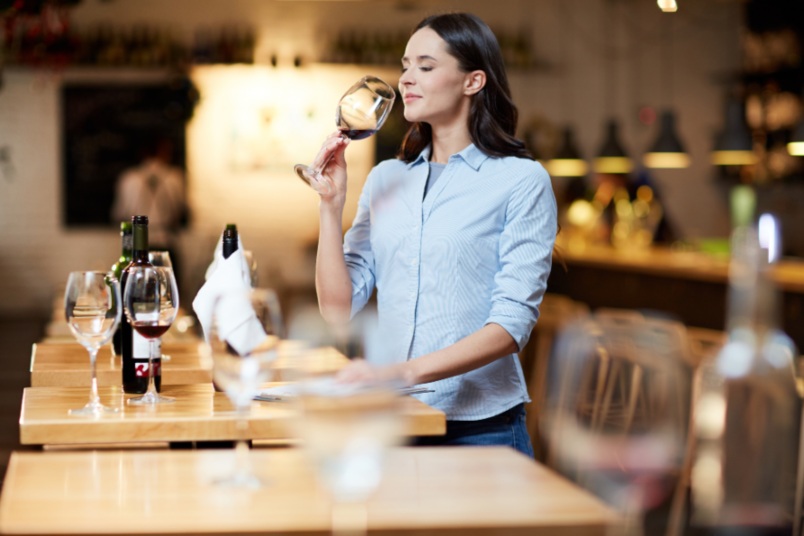
The first phase of wine tasting involves the eyes, with a completely visual perception. After uncorking the bottle, we’ll pour a little wine into our glass, and then it’s all over again. It’s advisable to always hold it from the base so the wine doesn’t warm up. We should aim for a 45-degree angle to observe the glass from above.
This will serve as a first approach to check certain aspects such as color, intensity, clarity, and so on. It will also help us check if the product has any defects. In this sense, during the visual phase, we should try to differentiate the following characteristics:
Characteristics
- Clarity: The wine should be clear, which is what we’ll need to observe at this point. Many have imperfections and are cloudy, for example.
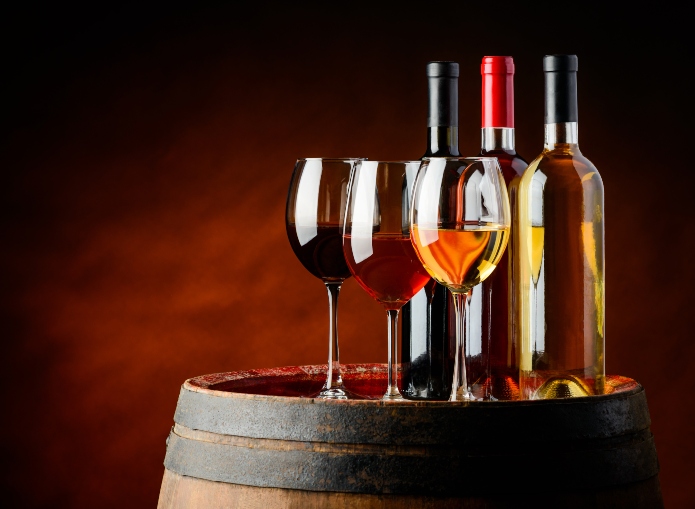
- Color: There are a large number of tones at this point, since, although we always divide wines into whites, rosés, and reds, there are many more nuances. Purple, brown, salmon, greenish wines…
- Intensity: This point is directly related to color, as it will indicate the amount of this characteristic it possesses.
- Tears: Tears are the drops that remain on the surface of our glass. If they fall slowly when we swirl it, we can determine that it is a wine with a higher alcohol content. If the opposite happens, its density will be lower.
- Time to smell the wine
After drinking with our eyes, comes the second phase of wine tasting, in which the nose takes center stage. To do this, it is important not to swirl the glass when tasting a wine through its aromas. We will bring our nose closer to it to try to determine the aromas we are receiving. Here we can perceive fruity scents, the scent of the grapes, the scent of nature, etc.
After that, we should swirl the glass a little to allow the wine to oxygenate and the secondary aromas to emerge. These are the aromas that occur during grape fermentation and the different processes the product undergoes. Finally, we will swirl the glass again, now more vigorously, to smell the tertiary aromas. These are the most difficult to perceive and develop in the final stage of wine aging.
Taste it
And finally, it’s time to taste the wine through the mouth with the gustatory phase. The first step is to take a small sip and, without swallowing, move the liquid from one side of the mouth to the other to notice each of the flavors with our tongue. Once this initial taste is complete, we should pay attention to characteristics such as texture and feel.
When we have completed this first step, we will have to swallow the wine and exhale through our nose. This is called the retronasal phase and will offer a wide range of sensations that can be different for each person. This will help us determine the finish of the wine, which is usually short because the flavors disappear in seconds in basic wines. While with the highest quality wines, these nuances remain with us for minutes, which is why they are known as having a long finish.
If you want to go a step further, visit a winery.
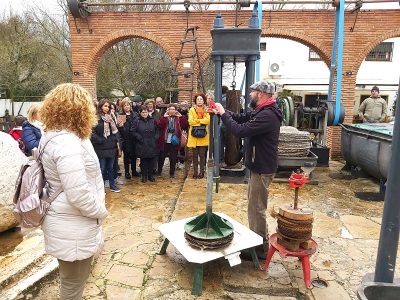
After learning the considerations prior to a wine tasting and the three steps we should follow to know how to taste wines, we will be ready to try any wine on our own. However, we recommend that if you want to enjoy an authentic experience with wine as the protagonist, visit a winery. There, in addition to spending a unique day, you can try many different varieties and learn from the experts.
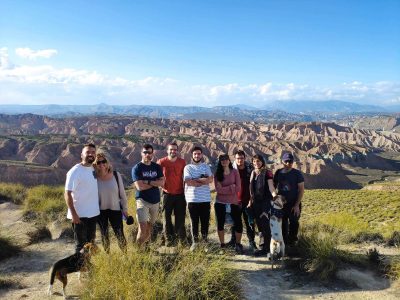
In this sense, at Goinsitu we have a large number of wine tourism experiences with visits to wineries and vineyards that include wine tastings. From tasting wines by the sea (Bodegas Nilva), with views of the Sierra Nevada (with Bodegas Vertijana or Bodegas Méndez Moya), to the Tajo de Ronda and its landscapes (Bodegas Gonzalo Beltrán, Schatz or la Melonera) or in the Alpujarra of Almeriense (with Bodegas Pura Vida), all with wine as the true protagonist in completely natural settings.



Leave A Comment